

If you are a self-employed professional in Canada, whether you’re an IT consultant, a skilled tradesperson, or a small business owner, you’ve likely noticed that the road to homeownership feels a bit steeper for you. You’ve built a successful career, you manage your own time, and you contribute significantly to the economy. Yet, when you walk into a big bank, they often treat your income like a puzzle they can’t be bothered to solve.
It can be incredibly frustrating to be told “no” by a traditional lender simply because your tax returns don’t tell the whole story of your financial success. We understand the unique challenges you face, and we’re here to tell you that there is a better way. At Strategic Mortgage Solutions Inc., we specialize in helping “Business-for-Self” (BFS) individuals navigate the complex lending landscape to find bespoke solutions that the big banks simply won’t offer.
In this guide, we’re pulling back the curtain on the secrets of self-employed mortgages. You’ll learn why the banks are so rigid, how mortgage brokers look at your business differently, and the specific programs designed to get you the keys to your new home.
The Big Bank “NOA” Trap: Why They Often Say No

When you apply for a mortgage at a major Canadian bank, the first thing they ask for is your Notice of Assessment (NOA) from the Canada Revenue Agency. Specifically, they are looking at Line 15000 (Total Income).
For most salaried employees, this is straightforward. For you, it’s a trap. As a savvy business owner, you likely work with an accountant to legally minimize your taxable income through business expenses, write-offs, and strategic deductions. This is smart business management, but it makes your “taxable income” look much lower than the actual cash flow you have available to pay a mortgage.
Traditional banks usually focus on:
• A two-year average of your NOAs: If your income fluctuated or you had a heavy investment year, your average drops.
• Rigid Debt-Service Ratios: They use your lower taxable income against your debts, often leading to a rejection or a much smaller loan amount than you need.
• Standardized Boxes: If you don’t fit the “T4 employee” mold, the bank’s automated systems often flag your application as high risk.
You shouldn’t be penalized for being a successful entrepreneur. The truth is, big banks are built for volume and simplicity; they aren’t equipped to handle the nuances of a complex self-employed file.
The “NOA” vs. Reality: Understanding Your True Income
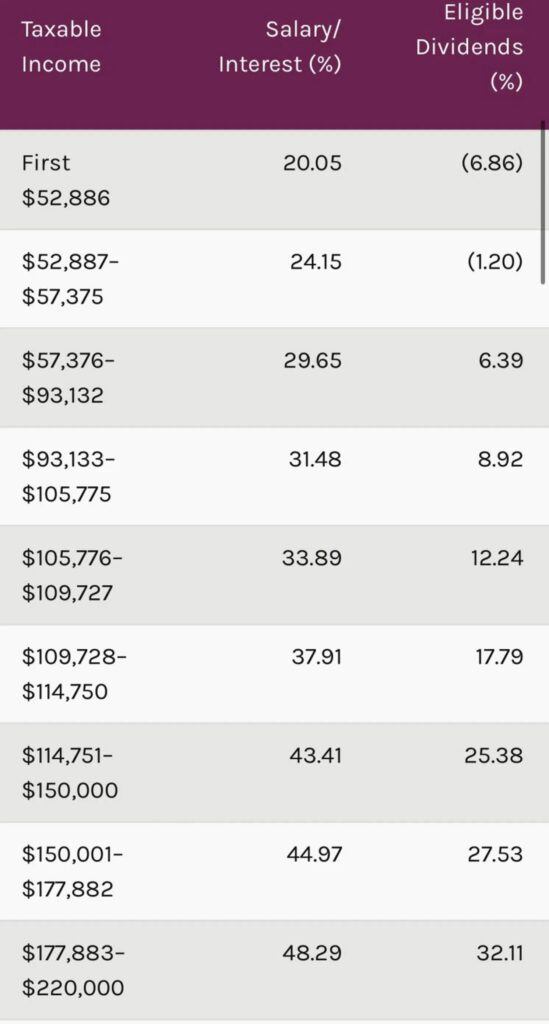
To get approved, you need a lender who understands that your bank statements and corporate financials often provide a more accurate picture of your “buying power” than your tax returns. This is where the world of mortgage planning and consultation becomes essential.
When we evaluate a self-employed borrower, we don’t just look at a single line on a tax form. We look at the “add-backs.” These are expenses that appear on your tax return but don’t actually affect your ability to pay a mortgage, such as:
• Depreciation/Amortization: Paper losses that aren’t actual cash leaving your pocket.
• Home Office Expenses: Costs you’re already paying but can deduct.
• Motor Vehicle Expenses: Business-related travel costs.
• Large One-Time Purchases: Equipment or software bought to grow your business.
By analyzing your business cash flow, we can often “gross up” your income to a level that accurately reflects your financial strength. This is a secret the big banks rarely mention because their internal policies don’t allow them the flexibility to do the math.
Stated Income Programs: Your Secret Path to Approval
One of the most powerful tools for self-employed Canadians is the Stated Income Program (also known as Alt-A or Business-for-Self programs). These programs are specifically designed for people like you: those who have strong credit and a successful business but low documented taxable income.
How Stated Income Programs Work:
1. Declare Your Income: You “state” a reasonable income based on your industry and business type.
2. Verify Reasonableness: Instead of just looking at an NOA, the lender looks at your business tenure (usually 2+ years), your industry, and your bank statements to ensure the stated income makes sense.
3. Flexible Documentation: You might provide 6 to 12 months of bank statements and your business license instead of years of full tax returns.
There are two main paths for these programs:
• Insured BFS Programs: Offered by private insurers like Sagen and Canada Guaranty. These allow you to buy a home with as little as 10% down, provided you have a strong credit score (usually 680+). You can learn more about the approval process here.
• Non-Insured (B-Lender) Programs: If you have a larger down payment (usually 20% to 35%), you can access B-lenders who offer even more flexibility. While the interest rates might be slightly higher than “A-lender” rates, they are a fantastic bridge to getting the home you want while your business continues to grow.
Why a Mortgage Broker is Your Secret Weapon

If you go to one bank, you get one set of rules. If you go to a mortgage broker, you get access to dozens of lenders, each with their own “appetite” for self-employed files. At Strategic Mortgage Solutions Inc., we act as your advocate, navigating the property FAQs and lending criteria on your behalf.
Here is what we do that a bank won’t:
• Access to B-Lenders and Private Funds: We work with specialized lenders who only work with brokers and focus exclusively on self-employed and “Alt-A” clients.
• Storytelling: We don’t just send a pile of papers to a lender. We craft a narrative. We explain your business model, why your income looks the way it does, and why you are a low-risk borrower.
• Customized Strategy: We help you decide if you should wait another year to show more income or if a stated income program is the right move for you right now.
With 16 years of industry experience, Estee Zacks knows exactly which lenders are currently looking for self-employed borrowers and which ones to avoid. This insider knowledge saves you time, stress, and: most importantly: money.
4 Practical Tips to Get Approved in 2026
If you are planning to buy or renew your mortgage in 2026, you need to start preparing now. Follow these steps to ensure your application is bulletproof:
1. Maintain Pristine Credit: Stated income programs rely heavily on your credit score. Aim for a score of 680 or higher. Avoid taking on new large debts (like a new truck or business loan) in the six months leading up to your application.
2. Keep Meticulous Records: Ensure your business registration, GST/HST filings, and bank statements are organized. Lenders love to see a consistent history of business activity.
3. Prepare for a Larger Down Payment: While some programs allow for 10% down, having 20% or more opens up significantly more options and better interest rates. Use our mortgage calculators to see how your down payment affects your monthly costs.
4. Consult an Expert Early: Don’t wait until you find your dream home to see if you qualify. Contact us for a consultation at least six months before you plan to buy. We can review your “true” income and tell you exactly what you need to do to get a “yes” from a lender.
Unlock Your Homeownership Dreams

Being self-employed shouldn’t be a barrier to owning a home or building wealth through real estate. The big banks might have their limitations, but at Strategic Mortgage Solutions Inc., we believe in innovative lending strategies that reward your hard work and entrepreneurial spirit.
You’ve built your business with vision and dedication: you deserve a mortgage professional who works just as hard for you. Whether you are a first-time buyer or looking to refinance as a repeat buyer, we are here to guide you through unfamiliar territory with trustworthy leadership and award-winning service.
Stop guessing and start planning. Let’s look at your unique situation and find the “secret” program that fits your life.
Click here to book your personalized mortgage consultation with Estee Zacks today!