

Finding the right path to homeownership isn’t always a straight line, especially in today’s shifting financial landscape. If you’ve recently walked into your local bank only to be told “no,” you aren’t alone. In 2026, many Canadians, from hardworking entrepreneurs to those navigating a temporary credit dip, are finding that traditional lending rules are tighter than ever.
This is exactly why private mortgage lenders Canada have become a hot topic of conversation. Once considered a “last resort,” private lending has evolved into a strategic, short-term tool for savvy borrowers who need a bridge to their next financial milestone.
At Strategic Mortgage Solutions Inc., I’m here to pull back the curtain on how these lenders work. My goal is to help you decide if a private mortgage is the right key to unlock your goals or if you’re better off exploring other paths.
What Exactly Are Private Mortgage Lenders?
Think of private lenders as the “alternative” to the big banks. While a traditional bank (an “A” lender) looks primarily at your credit score and your T4 income, a private lender looks at the equity in your property and the overall common sense of the deal.
Private lenders can be:
1. Individual Investors: People with capital looking to earn a return by lending on real estate.
2. Mortgage Investment Corporations (MICs): Pools of private money managed by professionals.
3. Private Syndicates: Groups of investors who come together to fund a specific mortgage.
Because they aren’t bound by the same federal “stress test” regulations as the big banks, they have the freedom to say “yes” when a bank says “no.” However, that flexibility comes with a trade-off:
higher interest rates and specific fees.
Why the Buzz in 2026?
You might be wondering why everyone seems to be talking about private lending right now. The answer lies in the unique “renewal shock” and high-rate environment of 2026.

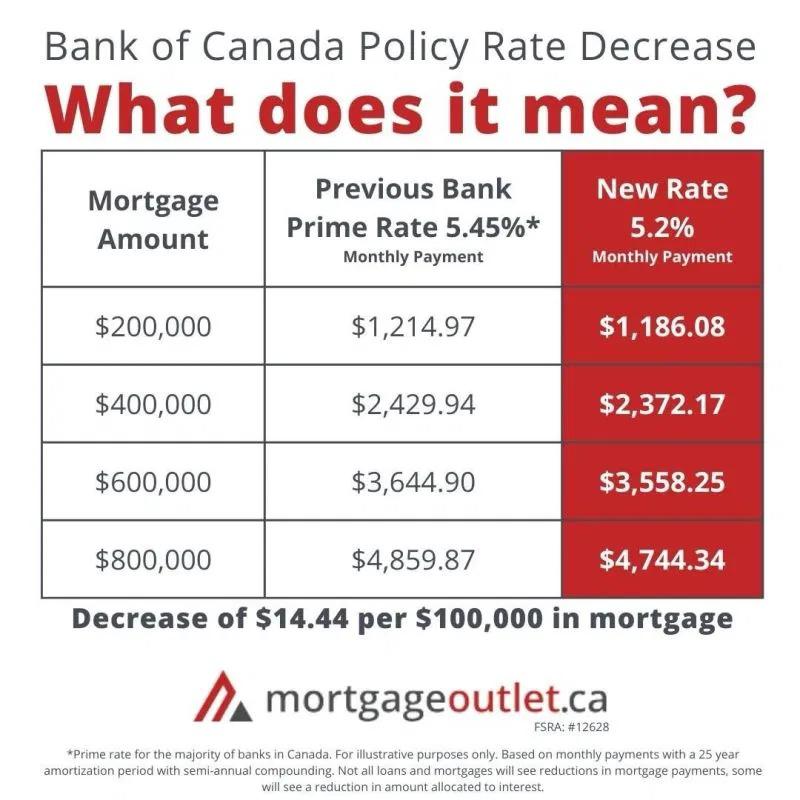
The Bank of Canada’s recent policy shifts have made traditional qualification much harder. Many homeowners who secured low rates back in 2021 are now facing renewals at much higher levels. If your income has changed or your debt-to-income ratio is feeling the squeeze, you might find that your current bank isn’t willing to renew your mortgage on the terms you need: or at all.
This has pushed many Canadians to look for “B” lenders or private options to bridge the gap until rates stabilize or their financial situation improves.
4 Scenarios Where a Private Lender Is the Right Move
A private mortgage is rarely a forever solution; it’s a bridge. Here are four specific situations where using one makes perfect sense:
1. You Are a Self-Employed Professional
If you are an IT consultant, a tradesperson, or a business owner, you know that your tax returns don’t always tell the whole story of your success. You might have significant “stated income” that a bank refuses to acknowledge. Private mortgage lenders Canada focus on your ability to pay and the value of your home, not just the numbers on your Notice of Assessment.
2. You’re Navigating Credit Challenges
Life happens. Perhaps you’ve dealt with a divorce, a medical emergency, or a business setback that dinged your credit score. If you need to refinance to consolidate debt or buy a home while you’re in the process of rebuilding your credit, a private lender can give you the 12 to 24 months you need to get your score back into “A” lender territory.
3. You Need Bridge Financing
Imagine you’ve found your dream home, but your current house hasn’t sold yet. Or perhaps the closing dates don’t line up perfectly. A private mortgage can provide the quick, short-term capital needed to secure the new property without the stress of losing the deal.
4. Major Renovations or Construction
Banks are notoriously picky about lending on “fixer-uppers” or homes under construction. If you’re planning a massive renovation that will significantly increase your home’s value, a private lender can provide the funds to finish the project. Once the work is done, you can refinance back into a traditional mortgage based on the new, higher appraisal.

Understanding the Costs: Rates and Fees
Let’s be real: private lending is more expensive than a bank mortgage. Because these lenders are taking on more risk, they charge a premium.
What should you expect to pay?
• Interest Rates: Typically several percentage points higher than bank rates. In 2026, it’s common to see private rates in the high single or even low double digits, depending on the risk.
• Lender Fees: Usually 1% to 3% of the total loan amount.
• Broker Fees: Since private deals require specialized work and access to non-public funds, brokers also charge a fee (often 1% to 2%).
• Legal and Appraisal Costs: You will be responsible for both your legal fees and the lender’s legal fees, as well as a specialized appraisal.
Takeaway: Always calculate the Total Cost of Borrowing. Don’t just look at the monthly payment;
look at the fees you’re paying upfront and how they impact your home equity.
The Golden Rule: You Must Have an Exit Plan
If there is one thing I want you to remember, it’s this: Never enter a private mortgage without a clear exit plan.
Because private mortgages are usually interest-only and have short terms (6 to 24 months), you aren’t paying down your principal. If you don’t have a way to transition back to a traditional lender or sell the property at the end of the term, you could find yourself in a difficult spot.
A solid exit plan looks like:
• Credit Repair: “I will use this year to pay off my high-interest credit cards and bring my score from 580 to 680.”
• Income Documentation: “I will work with my accountant to show a higher net income over the next two tax cycles.”
• Property Sale: “I will finish the kitchen renovation and list the home for sale in 6 months.”
How to Choose the Right Private Lender
Not all private lenders are created equal. Some are professional corporations with transparent processes, while others are individuals with very strict terms.
To protect yourself, follow these steps:
1. Work with a Licensed Broker: At Strategic Mortgage Solutions Inc., I have access to a deep network of reputable private lenders. I do the vetting so you don’t have to.
2. Read the Fine Print: Look for “prepayment penalties” and “renewal fees.” Some lenders make it very expensive to leave, which defeats the purpose of a “bridge.”
3. Ask About the “Power of Sale” Process: You want a lender who is fair. While all lenders have the right to protect their investment if you stop paying, some are more aggressive than others.
4. Prioritize Transparency: If a lender or broker isn’t willing to give you a clear breakdown of all fees in writing, walk away.
Moving Forward with Confidence
Private lending isn’t “scary”: it’s just a specific financial tool designed for a specific job. When used correctly, it can save you from a forced sale, help you grow your business, or get you into your dream home when the “Big Five” banks aren’t an option.
Are you wondering if you qualify? Don’t navigate this alone. With 16 years of industry experience, I specialize in bespoke lending strategies that move beyond big-bank limitations. Whether you’re selfemployed, new to Canada, or just dealing with a credit hiccup, let’s sit down and look at your options.
Plan your next move today. Visit www.mortgageinsights.com to use our Canadian mortgage calculators or book a consultation to build your custom exit strategy.